
What are the different window glazing types?
By the Skyway team · 10 August 2025
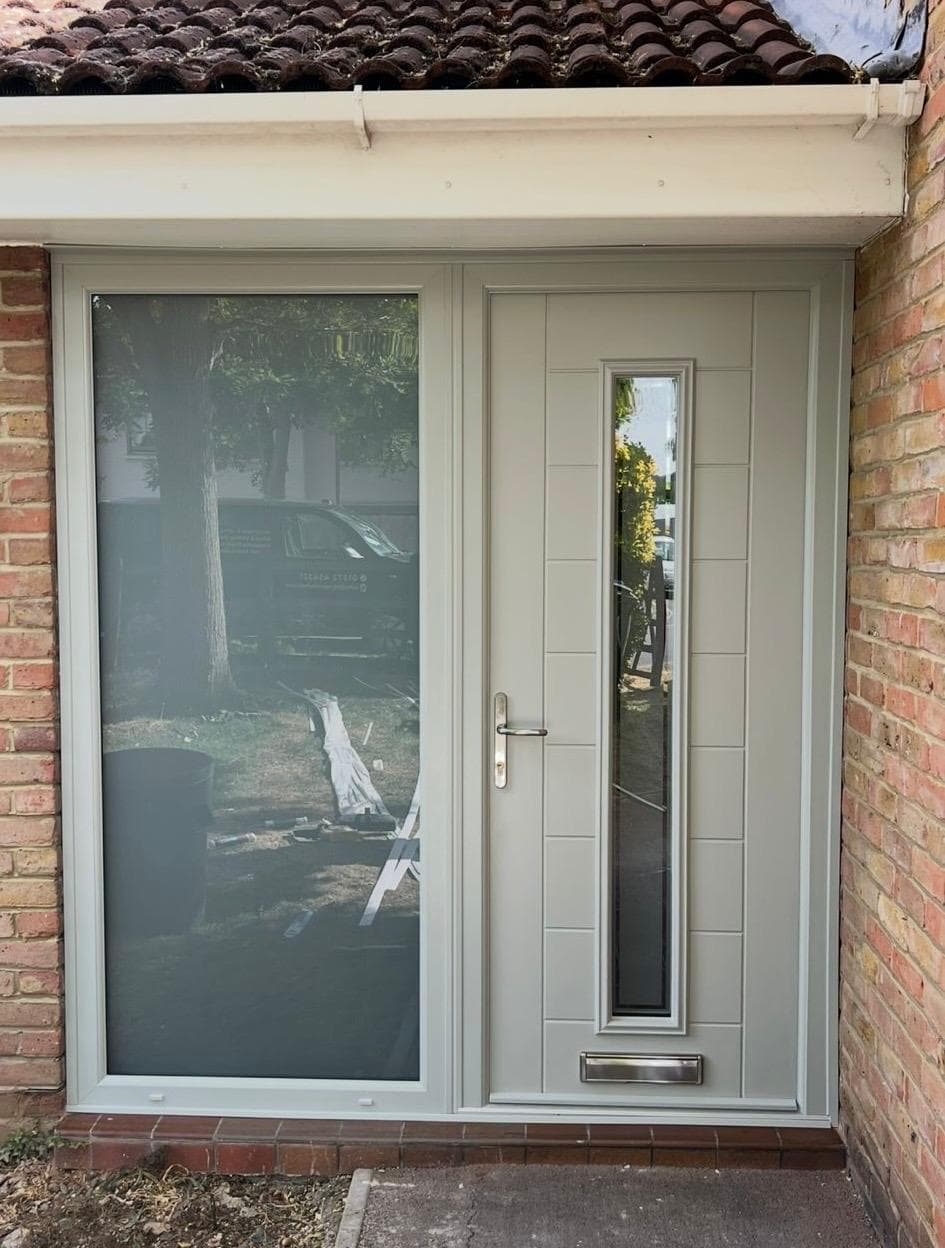
When choosing new windows, it’s important to understand the different glazing types. Glazing refers to the glass used in the window. The type of glazing affects how warm, quiet and safe your home is. We’ll explain the most common glazing types, their benefits, and how to choose the best one for your home.
What does glazing mean?
Glazing is just the glass part of the window. You can have single, double, or triple layers of glass, with extra features to help with insulation, soundproofing or security. The more advanced the glazing, the better your window will perform.
1. Single Glazing
Single glazing is one sheet of glass in the window frame.
Main points:
Not energy efficient
Found in older homes or sheds
Poor insulation and soundproofing
Should I use it?
Single glazing is no longer recommended for UK homes. It lets heat escape easily, can cause condensation, and is less secure.
2. Double Glazing
Double glazing is two panes of glass with a small gap between them, usually filled with air or a gas like argon.
Much better insulation than single glazing
Reduces heat loss and lowers energy bills
Quieter and more secure
Common use:
Most homes in the UK now use double glazing. It’s a good all-round choice for comfort, energy saving and value.
3. Triple Glazing
Triple glazing uses three panes of glass with two gaps filled with gas. It adds an extra layer of protection.
Even better insulation than double glazing
Helps in very cold areas
Improved soundproofing
Things to consider:
More expensive than double glazing
Heavier, so may need stronger frames
May not always give enough extra benefit for the cost
Triple glazing is ideal for north-facing windows or homes in colder parts of the UK.
4. Low-E Glazing (Low-Emissivity)
Low-E glazing has a special coating that reflects heat back into your home.
Why it helps:
Reduces heat loss through the glass
Keeps your home warmer in winter
Often used in double or triple glazed units
Low-E coatings are almost invisible and improve the energy efficiency of windows without blocking light.
5. Laminated Glazing
Laminated glass has a thin plastic layer between two sheets of glass. It holds together if broken.
Improves safety and security
Reduces outside noise
Blocks most UV rays (helps stop furniture fading)
Where it’s used:
Laminated glazing is often used for front doors, large windows or ground floor windows.
6. Toughened Glass (Tempered Glazing)
Toughened glass is heat-treated to make it four to five times stronger than standard glass.
Very hard to break
If broken, it shatters into small blunt pieces (not sharp)
Meets safety regulations in bathrooms, doors and low-level windows
It’s a must-have for areas where people could fall against the glass.
7. Acoustic Glazing
Acoustic glazing is designed to reduce noise from outside. It usually uses thicker glass, a wider air gap or laminated layers.
Homes near busy roads, airports or railways
Flats or terraced houses
Things to note:
Costs more than standard double glazing
Works best when installed with good seals and insulated frames
8. Self-Cleaning Glazing
Self-cleaning glass has a special coating that breaks down dirt and washes it away when it rains.
Less time spent cleaning windows
Keeps windows looking clear for longer
Works best on windows that get plenty of sunlight and rain
Not totally maintenance-free, but does help
9. Solar Control Glazing
Solar control glass reduces the amount of heat entering your home from the sun.
Keeps rooms cooler in summer
Helps prevent glare
Ideal for south-facing windows or homes with lots of glass
Some types of solar glass also reduce UV rays to protect furnishings.
Glazing comparison table
| Glazing Type | Key Features | Best Use Case |
|---|---|---|
| Single Glazing | One pane, poor insulation | Sheds, garages, older properties (not ideal) |
| Double Glazing | Two panes, energy efficient | Most homes, a good balance of cost and value |
| Triple Glazing | Three panes, best insulation | Cold areas, noise-sensitive homes |
| Low-E Glass | Heat-reflective coating | Any modern window upgrade |
| Laminated Glazing | Safety glass, blocks UV, reduces noise | Doors, ground floors, security needs |
| Toughened Glass | Breaks safely, very strong | Bathrooms, doors, low windows |
| Acoustic Glazing | Noise reduction, thicker glass | Homes near traffic, cities |
| Self-Cleaning Glass | Breaks down dirt, rain washes it off | Conservatories, hard-to-reach windows |
| Solar Control Glass | Reflects heat, reduces glare | South-facing windows, large glass walls |
Which glazing type is right for you?
It depends on your needs:
Want to cut energy bills? → Choose double or triple glazing with Low-E glass
Need more peace and quiet? → Go for acoustic glazing
Concerned about safety? → Pick laminated or toughened glass
Want to block sun heat? → Try solar control glazing
Hate cleaning windows? → Consider self-cleaning glass
You can also mix glazing types in different parts of your home. For example, use triple glazing at the front, acoustic glass at the back, and Low-E double glazing upstairs.
Do you need to change your frames?
Yes, if your frames are old, worn, or draughty, upgrading the glazing alone won’t solve the problem. uPVC, timber, and aluminium frames all work with modern glazing. Just make sure the whole unit is properly sealed.
How to check glazing types
You might not always know what type of glass your window has. Here’s how to find out:
Look for a kitemark or stamp in the corner of the window
Use a glazing detector (many installers have these)
Ask the window installer or check your paperwork
If in doubt, a local FENSA-registered installer can assess your current glazing and give advice.
Summary
There are many glazing types available, and the right one depends on your home, budget and needs. Whether you want better insulation, lower noise, or improved safety, there’s a glazing option for you.
Upgrading your glazing is a smart way to improve comfort, cut bills, and make your home more energy efficient. Always check energy ratings, and work with a professional installer to get the best results.
For more guidance, or to get a quote, contact us at Skyway Windows.
Ready to start your project?
Get a free, no-obligation quote from a FENSA-registered installer with over 30 years of experience across Surrey.