
What Is an Insurance Backed Guarantee and Why Does It Matter?
By Nick Munroe, Director · 26 October 2026
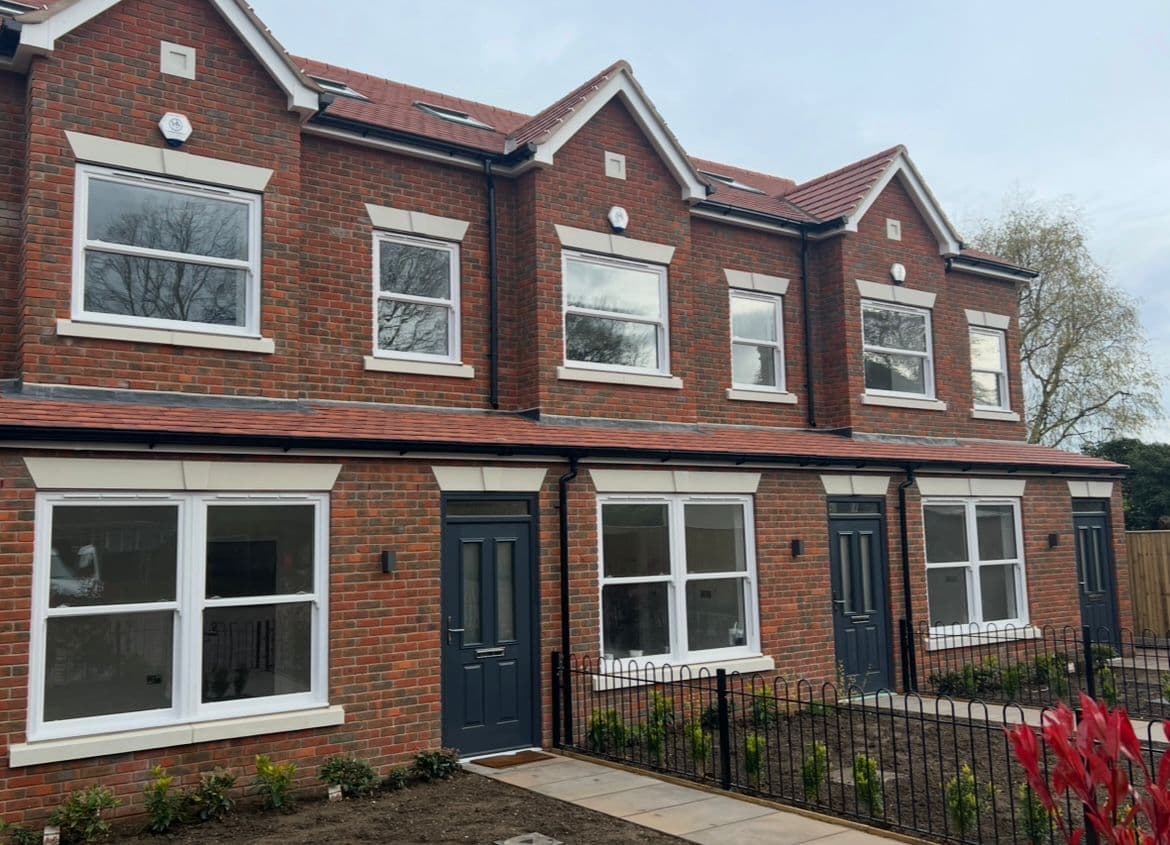
An insurance backed guarantee, usually shortened to IBG, is an insurance policy that protects the written guarantee on your new windows or doors if the company that fitted them stops trading. While the installer is in business you claim from them in the normal way. If they close, the policy steps in, so the guarantee you paid for does not disappear with them.
It matters because a guarantee is only as good as the business standing behind it. A ten year guarantee from a company that closes in its third year is, without an IBG, worth three years. The policy closes that gap, and for windows and doors self-certified through FENSA it is not optional. FENSA made them mandatory in 2014, and when the rule came in the British Woodworking Federation reported FENSA's warning that an installer who failed to issue one for every job would be expelled from the scheme.
How does an insurance backed guarantee work?
There are two separate documents, and it helps to know which is which.
- The installer's written guarantee is the company's own promise about the windows and the work, for a set period. This is what you rely on day to day.
- The IBG policy is issued through an insurance broker and, in the words of FENSA's guidance for homeowners, covers the installer's written guarantee in the event that they cease to trade.
The FENSA certificate is a third document and a different thing again. It confirms that the installation was notified as meeting the Building Regulations. It says nothing about whether the windows will be put right if something fails.
So the IBG does not add new cover on top of the guarantee. It makes the existing guarantee outlive the installer. That is why the detail of the written guarantee matters so much, because the policy can only protect what the guarantee actually promises.
What does an IBG not cover?
- Anything the written guarantee excludes. If the guarantee leaves something out, the policy will not pick it up.
- Claims while the installer is still trading. The policy is there for when the company has gone. While it is still in business, the company has to honour its own guarantee.
- Accidental damage, normal wear and misuse, which guarantees usually exclude in any case.
Policies also differ in their limits, in how long they run and in whether they protect a deposit, so the policy document is what tells you what you actually have, not a line on a quote.
What does that look like day to day?
Almost always, nothing at all, and that is how it should be. While an installer is trading, putting things right is simply their job.
When one of our customers spotted two defects after fitting, one in a glass pane and one in a sash, we replaced both within three days. The IBG never came into it. That is the normal life of a guarantee, and the policy only matters in the rarer case where the company that gave it is no longer there to answer the phone.
What happens if the installer does stop trading?
This is the situation the policy exists for. Instead of going back to the installer, you contact the insurer or broker named on the policy, with the policy itself and the written guarantee, and explain the fault. The insurer then deals with the claim, typically by arranging for the problem to be put right by another firm, within whatever limits and exclusions the policy sets out.
Two things make that process far smoother. The first is having the paperwork, which is why keeping the policy with the FENSA certificate and the guarantee matters. The second is a fault that is clearly within the guarantee, such as a sealed unit that has misted or a lock mechanism that has failed in normal use, rather than something the guarantee never covered.
Is it the same as a manufacturer's guarantee?
No. Many products carry their own manufacturer's guarantee as well, on a composite door slab or a sealed glass unit, for example. That is a promise from the company that made the product, and it does not depend on your installer at all. The IBG protects the installer's guarantee, which usually covers the installation as a whole, including the workmanship, and that is the part that would otherwise be lost if the installer closed. The two work alongside each other, and it is useful to know which promise covers which part of the job.
Does an IBG protect my deposit?
Many policies do, though not all in the same way, and it is worth checking before you hand any money over. Some include deposit protection as part of the cover, usually up to a cap, while others protect only the guarantee once the work is finished. If an installer asks for a deposit, ask whether it is protected and by what.
How long does it last?
The policy is tied to the guarantee it protects, so it should run alongside it. The period is set out in the policy document you receive, so read the dates on yours rather than assuming. Different parts of an installation can carry different guarantee periods, with frames, sealed glass units, hardware and workmanship each sometimes covered for a different length of time, and it is the written guarantee that sets those out.
Why does it matter when you sell your house?
When you sell, the buyer's solicitor will usually ask for the paperwork on any replacement windows and doors, which means the FENSA certificate and any guarantees. An IBG in that file shows the guarantee still has value whatever has happened to the company that fitted them.
If you have lost track of your paperwork, FENSA can often help you find the broker's details, and finding out whether your existing windows are FENSA certified is the first step in putting the file back together.
What should you check on any quote?
The questions are short, and a good installer answers them without hesitating.
- Is an insurance backed guarantee included in the price? On every installation self-certified through FENSA, it should be.
- Who is the policy with, and when will I receive it? You should receive a policy in your own name once the job is complete.
- What does the written guarantee cover, and for how long? Ask for the periods on frames, glass units, hardware and workmanship separately.
- Is my deposit protected? And if it is, by what.
Making sure the policy document actually arrives matters more than the line on the quote, because the quote is a promise from the installer and the policy is the thing an insurer will honour if the installer is gone. If it has not arrived once the job is finished and paid for, chase it.
These sit alongside the wider questions to ask a window installer before hiring them, and together they cover most of what separates a careful company from a cheap one.
So, why does an insurance backed guarantee matter?
Because it turns a guarantee from a promise into something that outlasts the company that made it. Make sure one is included, make sure the policy arrives in your name, and read what the written guarantee covers, since that is exactly what the policy protects.
Skyway Windows is FENSA registered, number 41110, and every installation we notify to FENSA comes with an insurance backed guarantee, from casement windows and sash windows to composite front doors and aluminium bifold doors. Ask us what our guarantee covers before you commit to anything, and if you would like a free, no-obligation quote with the paperwork explained, contact us.
Ready to start your project?
Get a free, no-obligation quote from a FENSA-registered installer with over 30 years of experience across Surrey.