
What are the most energy efficient windows?
By the Skyway team · 7 August 2025
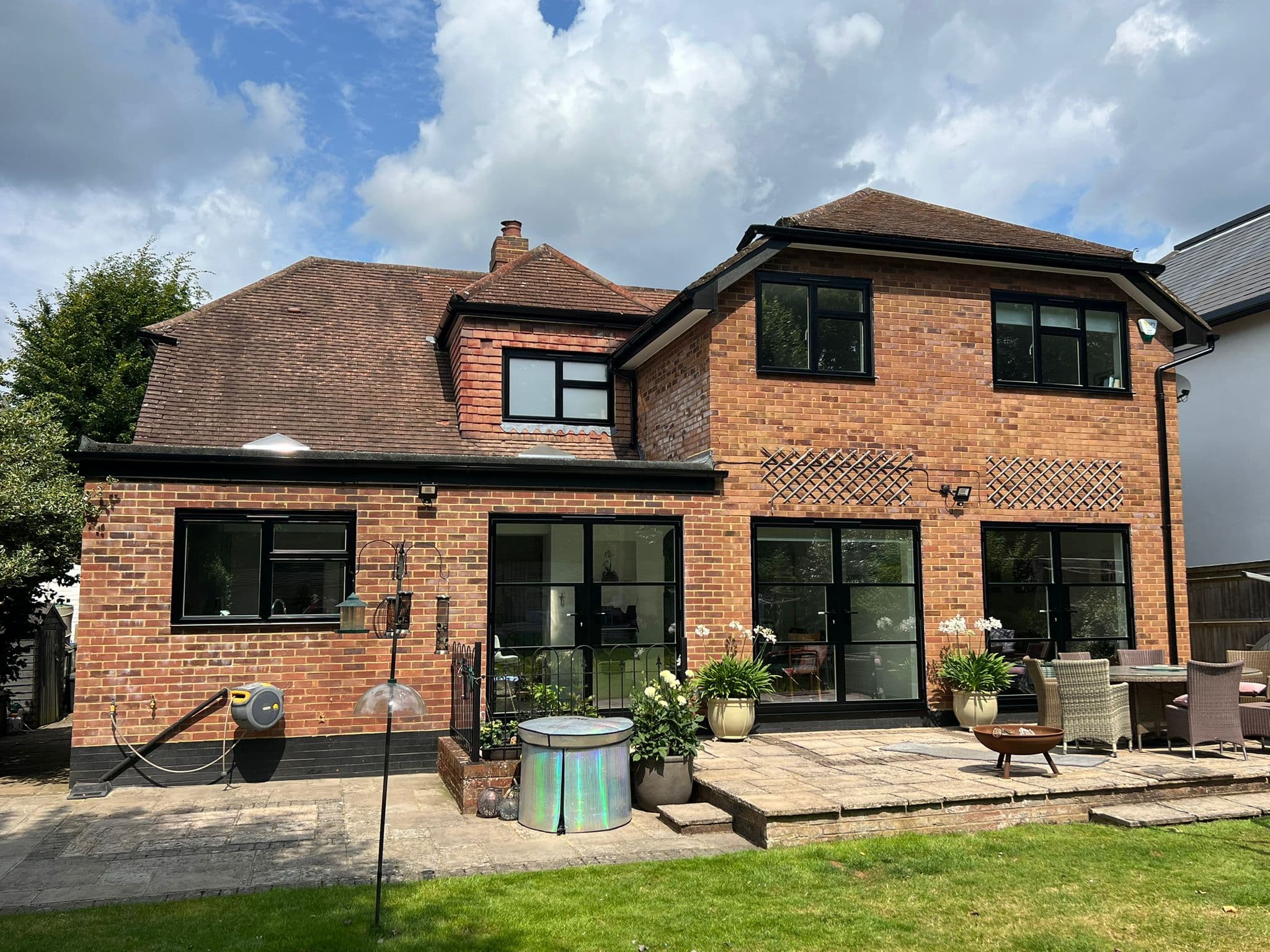
If you want to save money on your energy bills, stop heat escaping, and make your home warmer, the right windows can help. Energy efficient windows are designed to keep the warm air inside and the cold air out. I will explain what makes a window energy efficient, which types perform best, and how to choose the right ones for your home.
What makes a window energy efficient?
Energy efficient windows have special features that help keep your home warm in winter and cool in summer. These include:
Double or triple glazing (two or three layers of glass with air or gas between)
Low-E glass (a coating that reflects heat back into your home)
Warm edge spacers (to reduce heat loss at the edges)
Gas fills like argon or krypton (to improve insulation between panes)
Strong frames with good seals (to stop draughts)
Each part plays a role in cutting down heat loss, which means your home stays comfortable and your energy bills stay low.
Window energy ratings explained
In the UK, windows are rated by the BFRC (British Fenestration Rating Council). The ratings go from A++ (most efficient) to E (least efficient). An A-rated window keeps in a lot more heat than a C or D-rated one. Most modern homes now use windows rated at least B or higher.
When choosing new windows, always check the energy rating label. It will tell you how well the window prevents heat loss, blocks draughts, and lets in sunlight.
What types of windows are most energy efficient?
Triple glazing
Triple-glazed windows have three panes of glass and two insulating gaps. They provide better insulation than double glazing and are especially useful in colder areas. They also reduce outside noise more than standard double glazing. However, they are heavier, more expensive, and not always needed for every UK home.
Double glazing (with Low-E coating)
Standard double glazing is already very efficient, but adding a low-emissivity (Low-E) coating improves performance. This invisible coating reflects heat back inside, making it ideal for keeping your home warm in winter.
Casement windows
Casement windows are hinged at the side and open outwards. They form a tight seal when closed, which prevents draughts and heat loss. They are often considered one of the most energy efficient window styles, especially when fitted with double or triple glazing.
Fixed windows
These do not open, which means they have no gaps for air to escape. Because of this, they are often the most airtight and energy efficient option. However, they don’t provide ventilation, so they’re best used alongside other window types.
Tilt and turn windows
These open inwards and offer both ventilation and a tight seal when closed. Their multi-point locking system and snug fit make them a good choice for energy efficiency.
Frame materials and energy performance
uPVC frames
uPVC is one of the most popular choices. It’s affordable, long-lasting, and offers excellent insulation, which is why it is the most widely used frame material for windows in the UK.
Timber frames
Timber provides good natural insulation. However, they need more maintenance to stay in top condition. Engineered or laminated timber options last longer and resist warping.
Aluminium frames (with thermal breaks)
Aluminium frames are strong and slim, making them great for modern homes with big panes of glass. On their own, aluminium isn’t great at insulating. But modern aluminium frames include thermal breaks (plastic sections that stop heat passing through the frame), which make them much more efficient.
Glazing extras that boost efficiency
You can also boost your window’s performance with a few extras:
Gas-filled units: Argon or krypton gas between the panes improves insulation.
Spacer bars: Warm edge spacers made from non-metal materials reduce heat loss around the edge of the glass.
Trickle vents: Let fresh air in without opening the window fully. Choose ones with draught control for better energy savings.
Secondary glazing: If you can’t replace your windows (e.g. in listed buildings), secondary glazing is a good upgrade. It adds another pane inside your existing window.
Signs your windows are not energy efficient
Not sure if your current windows are letting out heat? Here are a few things to check:
Rooms feel cold even with the heating on.
Condensation builds up on the inside of the window.
Draughts or rattling around the frames.
High heating bills with little improvement in warmth.
Single glazing or very old double glazing.
If you notice these signs, it may be time to upgrade.
Benefits of energy efficient windows
Upgrading to energy efficient windows has several clear advantages:
Lower energy bills: Better insulation means you use your heating less.
More comfort: Rooms feel warmer and less draughty.
Less noise: Thicker glazing helps block out outside sounds.
Less condensation: Warm interiors reduce moisture build-up.
Smaller carbon footprint: Using less energy helps the environment.
Increased property value: Buyers are often drawn to homes with A-rated windows.
Energy efficiency ratings comparison table
Here’s a simple breakdown of different window styles and where each one works best:
| Window Type | Glazing Option | Best Use Case |
|---|---|---|
| Casement | Double/Triple | Whole house, best for airtight seal |
| Tilt and Turn | Double/Triple | Modern homes, ventilation needed |
| Sash | Double (modern) | Period properties with upgrades |
| Fixed | Triple | Feature windows, no ventilation needed |
| Bay | Double | Front-facing feature windows |
| Flush fit casement | Double | Traditional and modern homes |
Are energy efficient windows worth it?
Yes, especially if your current windows are over 15 years old. The savings on heating, added comfort, and increased home value make it a worthwhile investment for most UK homeowners. If you’re upgrading other parts of your home (like adding insulation or a new boiler), replacing your windows can be the final step to locking in those savings.
How to choose the right windows for your home
Here are a few quick tips:
Look for BFRC energy ratings of A or above.
Choose double glazing with Low-E glass as a minimum.
Go for uPVC or timber frames for insulation, or aluminium with thermal breaks.
Make sure the installer is FENSA registered (you can check on the FENSA website).
Also, check whether your local council offers grants or funding for energy efficiency upgrades. Schemes change regularly, but they’re worth looking into.
Do doors and large glazed openings matter too?
Yes. A back door, a pair of French doors or a run of bifold doors can be the largest area of glass in the house, so look for the same things there as on a window. That means a low U value, warm edge spacers, good seals and, on aluminium, a thermally broken frame.
Final thoughts
Switching to energy efficient windows is one of the best things you can do to make your home more comfortable and save money. Whether you’re renovating or just want to lower your bills, there are options to suit every home and budget. From A-rated casement windows to modern triple glazing, today’s designs make it easy to stay warm and reduce energy waste.
Contact us if you would like a free, no-obligation quote.
Ready to start your project?
Get a free, no-obligation quote from a FENSA-registered installer with over 30 years of experience across Surrey.