
Can You Fit uPVC Windows in a Conservation Area?
By Nick Munroe, Director · 2 November 2026
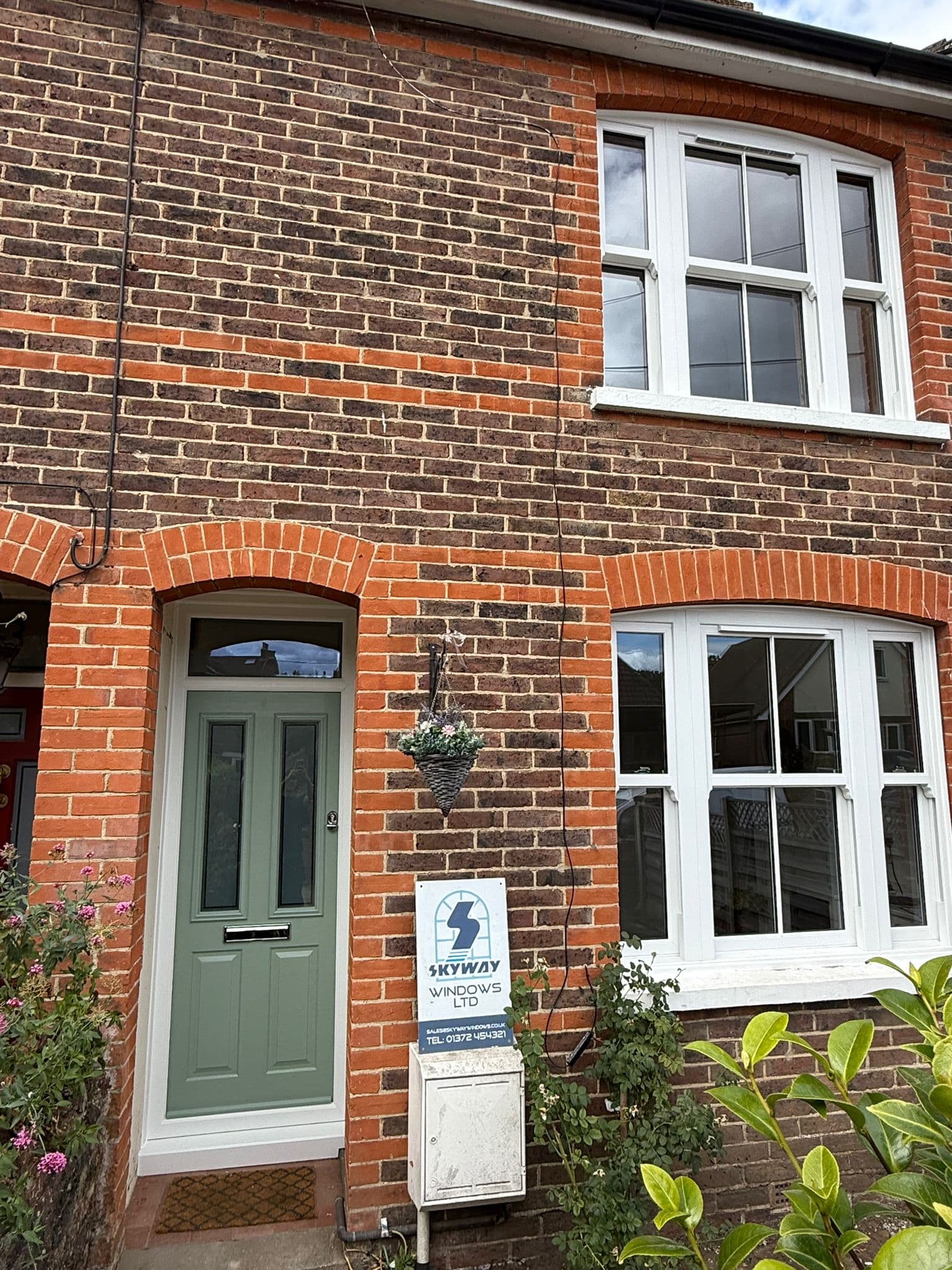
Often, yes. On a house in a conservation area, replacing the windows is usually permitted development, which means no planning application is needed, as long as the new windows are similar in appearance to the ones they replace. uPVC is not banned as a material. What decides it is whether the new windows look right from the street, and whether your council has taken that permitted development right away in your road.
Three things change the answer, and each is worth checking before you order anything. An Article 4 Direction can mean a planning application is needed after all, a listed building needs listed building consent, and a flat does not have the same permitted development rights as a house. The Planning Portal's guidance on doors and windows sets out the basic rule, including that a house in a conservation area may have additional restrictions in place.
What is an Article 4 Direction?
It is a decision by the council to withdraw permitted development rights in a particular area, so that work which would normally need no application needs planning permission there. Epsom and Ewell Borough Council describes its directions as removing permitted development rights over alterations such as new porches, replacement windows and doors, replacement roof coverings and the exterior painting of a building. Its directions include Church Street, Ewell Village, College Road, Worple Road and Stamford Green, among others.
The council also notes that most of its directions relate only to the parts of a building facing onto a street, public footpath or open space. That detail matters in practice. Under a typical direction, the windows on the front of a house may need permission while the ones at the back do not.
Elmbridge, which covers Esher, Cobham, Weybridge, Walton and Claygate, has its own conservation areas, among them Esher, Cobham, Weybridge Town Centre and Claygate Village, and publishes its own guidance on permitted development and Article 4 Directions. Whether a direction covers your particular house is something only the council can confirm.
What if the house is listed?
Then it is a different question altogether. The Planning Portal is clear that a listed building needs listed building consent for any significant works, inside or out, and replacing the windows will almost always count. In practice uPVC is very rarely accepted on a listed building, and repairing the existing windows is often the first thing a conservation officer will want to discuss.
What about a flat?
Flats and maisonettes do not have the permitted development rights that houses have. The Planning Portal's guidance for flats says you should not need permission for identical, like for like replacements, but that if the new windows differ in appearance or size you may need to apply. Interpretation varies from council to council, so a flat in a conservation area is one to check before ordering rather than after.
What does similar in appearance actually mean?
This is where the real decision sits. A replacement reads as similar when the things you notice from the pavement match the original.
- The way it opens. A sliding sash replaced with a sliding sash, a casement with a casement.
- The proportions of the frame. Chunky frames, and an opening sash that sits proud of the frame, are the classic giveaway of a modern window in an old opening.
- The glazing bars. Georgian or astragal bars in the same pattern as the originals, and set so they read as genuine rather than as a grid between the panes.
- The details. Run through horns on a sash, the depth of the bottom rail, the colour and the finish.
Matching the way the original window opens usually does more for the look from the street than matching its material, because a well proportioned uPVC sliding sash still reads as a sash, while a timber casement put into a sash opening never reads as anything other than a replacement. Get the type and proportions right first, and the material becomes a much smaller part of the conversation.
That is the reason uPVC windows designed to look traditional exist. On our own jobs, that has meant uPVC sash windows such as Quickslide's, with run through horns and astragal bars, and flush casements from Timberlook and REHAU's Rio range, where the opening sash closes level with the frame the way a traditional timber casement does rather than sitting proud of it. Choosing between those styles starts with what style of window suits a period property, and the material comes after that.
When will uPVC not be accepted?
Some councils take the view that uPVC in place of original timber is not similar in appearance however well it is made, particularly where the existing windows are historic timber ones in good enough condition to repair. In those cases, or under a direction that specifies materials, timber windows may be the only option the council will accept. That is not a reason to assume the worst, but it is a reason to ask before you order rather than after the windows are in.
Can you change the colour in a conservation area?
Colour is part of how a window looks, so a change of colour is a change of appearance. Swapping like for like, white for white, is the easiest case. Changing white painted timber sashes for anthracite grey frames on the front of a house in a conservation area is exactly the kind of change most likely to raise the question of whether the new windows are still similar in appearance, particularly under an Article 4 Direction.
That does not rule out a colour change, but it does make it worth asking first. Heritage shades such as cream, or a woodgrain finish, tend to sit more comfortably in a historic street than a dark grey or black, although the right answer always depends on the street and on what the neighbouring houses have.
The same thinking applies to the glass. Modern double glazing is accepted almost everywhere, but very reflective or tinted glass changes how a window reads from outside, so it is worth keeping the glass as plain as the performance you need allows.
How do you check before ordering?
- Find out whether you are in a conservation area. Your council's website will have a map or a list.
- Ask whether an Article 4 Direction covers your road, and which sides of the house it applies to.
- Check whether the house is listed. The listing covers the whole building, not just its front.
- If you want certainty on a house, a lawful development certificate is the formal confirmation from the council that the work does not need planning permission, and it is a useful document to have on file when you come to sell.
Whatever the planning answer, the replacement windows still have to meet the Building Regulations, which is what the FENSA certificate covers, and that includes settling whether replacement windows need trickle vents before the order is placed.
So, can you fit uPVC windows in a conservation area?
On a house, often yes, provided the new windows genuinely look like the ones they replace and no Article 4 Direction says otherwise. On a listed building, rarely. In a flat, only like for like without an application, and it is worth checking first. The useful rule is to match the type, proportions and details of the original before worrying about the material.
Skyway Windows fits uPVC windows across Surrey, including sash and flush casements in period styles, and timber where a council asks for it, across Epsom, Esher, Cobham and Weybridge. Nick can show you which of the windows we fit match your originals most closely, so if you do need to speak to the council you go with the right specification in hand. To arrange that, contact us.
Ready to start your project?
Get a free, no-obligation quote from a FENSA-registered installer with over 30 years of experience across Surrey.