
What Is PAS 24 and Should Your Windows Have It?
By Nick Munroe, Director · 12 October 2026
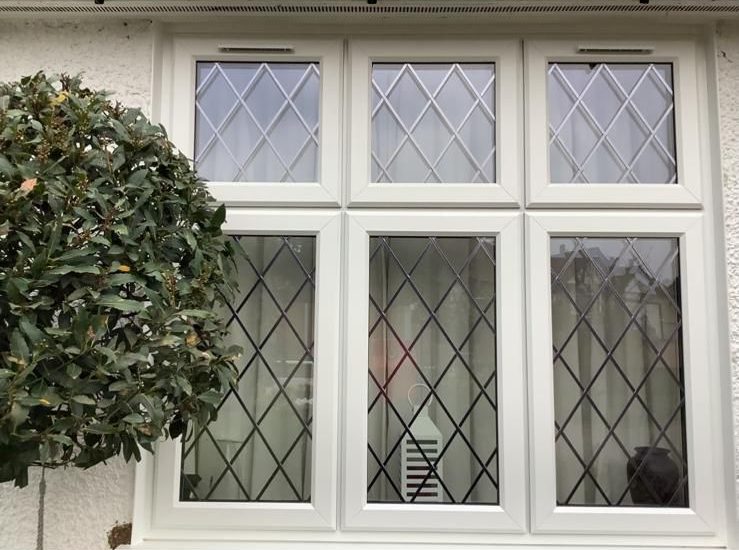
PAS 24 is the British security standard that windows and doors are tested against to show they can resist the kind of attack an opportunistic burglar uses. A window that meets it has been built to a design that passed a set of physical tests as a complete unit, frame, glass and hardware together. It is published by the British Standards Institution, and the current edition dates from 2022, amended in 2024 to keep pace with the way burglars actually work.
Should your windows have it? On a new home the law has already decided. On a replacement window in an existing house nothing requires it, but for any window or door that can be reached from the ground we would treat it as the sensible minimum rather than an optional extra. The more useful thing to know is how to tell whether the window on your quote genuinely meets it, because a well known brand name on a brochure is not the same thing as a tested window.
What does a PAS 24 test actually involve?
The test is designed around the casual burglar rather than a professional with time and specialist equipment. Accredited test laboratories put a sample window or doorset through a sequence of physical attacks and checks, looking at whether it can be forced or levered open, whether the locks and hinges can be defeated by tampering, and whether the glass can be removed from the outside.
The important part is that it tests the whole assembly. The frame, the sealed glass unit, the beads holding the glass in, the locking mechanism, the hinges and the keeps all go through the test together. A strong lock in a weak frame fails, and so does a strong frame with glass that can be lifted out. That is why a pass belongs to a specific window design as it is built, not to a material or a brand in general.
Is PAS 24 a legal requirement?
For new homes in England, in effect, yes. Approved Document Q, the part of the Building Regulations that deals with security, applies to new dwellings and asks for easily accessible doors and windows to be shown by test to meet PAS 24, or to be designed and built to an equivalent standard. Liniar, one of the profile systems we fit, sets out how Approved Document Q works from the manufacturer's side, and it is a clear explanation if you want the detail.
For a replacement window in an existing house, no. Approved Document Q applies to new dwellings only, so a replacement window can be installed, notified and certified perfectly legally with no PAS 24 test behind it. The Building Regulations that do apply to replacements cover energy performance, safety glazing, ventilation and means of escape, and those are what a FENSA certificate confirms.
So the gap is real. A replacement window can be fully compliant and never have been tested against forced entry at all.
Is Secured by Design the same thing?
No, although the two are often mentioned together. Secured by Design is the official police security initiative, and its Police Preferred Specification is an accreditation for products. Windows and doors generally have to meet PAS 24 as a minimum to earn it, with further requirements on top and independent auditing of the company making them.
In practical terms, PAS 24 tells you a window design passed the test. Secured by Design tells you that, and that the manufacturer is audited against the police scheme. Either is a meaningful answer when you ask the question. A phrase like "high security" with no standard named is not.
Which windows and doors matter most?
The ones a burglar can reach. Approved Document Q itself concentrates on easily accessible doors and windows, and that is a sensible way to prioritise in an existing home as well.
- Ground floor windows, especially at the back and side of the house, where nobody passing would see someone working at them.
- Windows beside a flat roof, a porch or a conservatory roof, which are ground floor windows in everything but name.
- Back doors, side doors and patio doors, which are less visible than the front door and often get less thought at the quote stage.
- The front door itself, where the cylinder deserves as much attention as the door. A cylinder that can be snapped undoes a great deal of good engineering in the rest of the door, and it is the part most often swapped for a cheaper one later.
Upstairs windows that cannot be reached without a ladder matter less, which is worth knowing if a budget has to be split. Spend it where the risk actually is.
How do you check a window on a quote really meets PAS 24?
Ask for the evidence, and ask for it on the product you are actually buying.
- Ask which standard. A straight answer names PAS 24 and can tell you how it is evidenced, whether that is a certificate, a test report or a Secured by Design listing.
- Ask whether the evidence covers this window as it is made. PAS 24 is passed by a complete window as manufactured, so the question is whether the window built for you, with its glass and hardware, is covered, rather than a test done on somebody else's version of the same profile.
- Ask whether anything on your order differs from what was tested. A different handle, a different glass specification or a size outside the tested range can all take a window outside what the evidence covers.
- Check the glass in particular. Glass is part of what is tested, so if a quote specifies something different from the tested design, ask whether it is still covered.
A good installer answers these quickly. Hesitation is an answer too.
Does PAS 24 matter on an older house?
It matters just as much, and it is easier to forget, because nothing makes anybody check. Replacement windows tend to be chosen on looks, colour and energy rating, and security gets a single line on the quote, usually "multi point locking". Multi point locking is a good start, but it describes the lock rather than how the whole window performs when someone works at it with a screwdriver.
On the ground floor, an internally beaded window is a safer choice than an externally beaded one, because the beads that hold the glass in sit inside the house, so there is nothing on the outside to prise away. It is one of the simplest things to check on a quote, and it deals with one of the attacks PAS 24 is designed around, which is taking the glass out rather than defeating the lock.
A secure window and an escape window are not alternatives either. A ground floor bedroom window can be both, as long as the opening is specified with escape in mind, and the rules on which rooms need a fire escape window decide where that applies.
What about the locks and hardware over time?
The hardware is where a tested window keeps or loses its security over the years. Locking handles, restrictors and the keeps that the locking points engage with all wear, and a replacement part from a different supplier may not be what was tested. If something needs replacing later, a like for like part is worth the extra trouble of tracking down.
Shoot bolts, hook locks and key locking handles each do a different job, and choosing the most secure window locks for each opening is the other half of the security question. On a door, the same thinking applies to the cylinder.
So, should your windows have PAS 24?
On a new home they will need to. On an existing home we would treat it as the minimum for any window or door a burglar can reach from the ground, and ask for the evidence rather than accept "high security" on a quote. The question costs nothing to ask, and the answer tells you a great deal about how seriously an installer has thought about security.
At Skyway Windows we fit casement windows, flush windows, sash windows, composite front doors and external aluminium doors across Epsom, Esher and the rest of Surrey, and you are welcome to ask us which security standard sits behind each item on your quote. If you would like to talk through the windows and doors on your own home, contact us.
Ready to start your project?
Get a free, no-obligation quote from a FENSA-registered installer with over 30 years of experience across Surrey.