
What are tilt and turn windows used for?
By the Skyway team · 17 March 2026
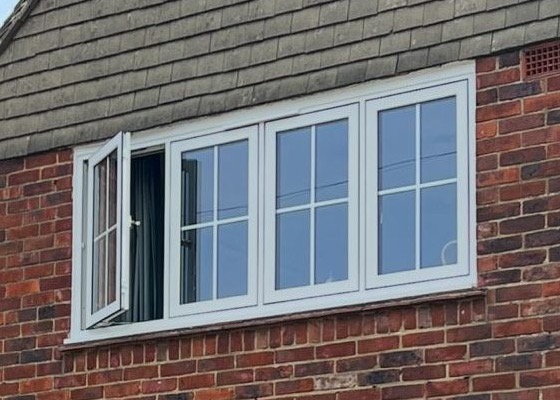
So, What are tilt and turn windows used for?
Many homeowners exploring window replacement options come across tilt and turn windows and want to understand how they work and where they are best used. This window style is widely used across Europe and has become increasingly popular in the UK because of its flexibility, security, and ease of use.
Tilt and turn windows are designed to open in two different ways, which makes them suitable for ventilation, cleaning, and controlled airflow. We explain what tilt and turn windows are used for, how they work, and when they might be the right choice for your home.
How Tilt and Turn Windows Work
Tilt and turn windows use a dual opening mechanism. The handle allows the window to open in two positions depending on how it is turned.
In the tilt position, the top of the window tilts inward slightly while the bottom remains closed. This allows fresh air to enter while maintaining security.
In the turn position, the window opens inward like a door. This provides full ventilation and allows easy access to the outside surface of the glass for cleaning.
This combination of functions makes tilt and turn windows one of the most versatile window designs available.
Why Tilt and Turn Windows Are Used
Tilt and turn windows are often chosen because they offer several practical benefits.
Controlled Ventilation
The tilt function allows gentle airflow without fully opening the window. This is particularly useful in bedrooms or living spaces where ventilation is needed but security is still a concern.
Because the opening is limited in tilt mode, it also helps reduce the risk of rain entering the room.
Easy Cleaning
When opened in the turn position, the window swings inward, allowing both sides of the glass to be cleaned from inside the property. This is especially helpful for upper floor windows where external access can be difficult.
This feature is one reason tilt and turn windows are commonly used in apartments or multi storey buildings.
Improved Security
Modern tilt and turn windows include multi point locking systems that secure the window around the frame. When the window is tilted, the opening is small and difficult to access from the outside.
This design offers good security while still allowing ventilation.
Tilt and Turn Windows Compared With Other Styles
Understanding how tilt and turn windows compare with other window types helps determine whether they are the right choice.
Tilt and Turn vs Casement Windows
Casement windows open outward on hinges and are widely used in UK homes. They provide strong sealing and good energy efficiency, but they do not offer the same dual opening flexibility as tilt and turn designs.
Tilt and Turn vs Flush Windows
Flush windows sit level within the frame and are often chosen for their clean appearance. While they look traditional or modern depending on the design, they operate in a single opening style rather than offering tilt and turn functionality.
Tilt and Turn vs Sash Windows
Traditional sash windows slide vertically and are commonly used in period properties. They provide good airflow but cannot tilt inward or open fully inward for cleaning.
Each style has its own advantages depending on the property and homeowner priorities.
Where Tilt and Turn Windows Are Commonly Used
Tilt and turn windows are often installed in properties where flexibility and safety are important.
They are frequently used in:
Apartments and flats
Upper floor bedrooms
Modern homes
Offices and commercial spaces
The inward opening design also makes them useful where external access is limited.
Energy Efficiency and Insulation
Energy performance ratings for windows are explained by the BFRC, which measures factors such as heat loss and solar gain.
Planning Permission Considerations
In most cases, replacing existing windows with a similar size and style does not require planning permission. However, restrictions can apply in certain situations.
Guidance on planning permission explains when approval may be required, particularly for listed buildings or properties in conservation areas.
Building Regulations and Certification
All replacement windows must comply with building regulations. These regulations ensure that installations meet standards for safety, insulation, and ventilation.
Official guidance on building regulations approval explains how compliance is assessed. Many homeowners confirm installer certification using the FENSA installer checker to ensure work is correctly certified.
Further information about building control inspections can be found through LABC.
Safety During Installation
Installing windows on upper floors often involves working at height. Professional installers follow guidance on working at height to reduce risks during installation.
Using trained installers ensures windows are fitted correctly and safely.
Are Tilt and Turn Windows Right for Every Home?
Tilt and turn windows work best in modern homes, apartments, and properties where easy cleaning and controlled ventilation are important. However, they may not suit all architectural styles, particularly older properties where traditional window designs are preferred.
A professional assessment can help determine whether tilt and turn windows are suitable for your property.
Getting Professional Advice
Choosing the right window style depends on property design, ventilation needs, and appearance preferences. Understanding how different window systems work helps homeowners make informed decisions.
If you would like advice on whether tilt and turn windows are suitable for your home, you can contact us here to discuss your options.
Conclusion
Tilt and turn windows are valued for their flexibility, ventilation control, and ease of cleaning. Their dual opening design makes them practical for a range of properties, particularly modern homes and upper floor rooms. When installed correctly and in line with regulations, they provide good insulation, security, and everyday convenience. For expert advice and compliant installation, our team at Skyway Windows LTD will be happy to help.
Ready to start your project?
Get a free, no-obligation quote from a FENSA-registered installer with over 30 years of experience across Surrey.