
Should I Replace All My Windows at Once or in Stages?
By the Skyway team · 22 June 2026
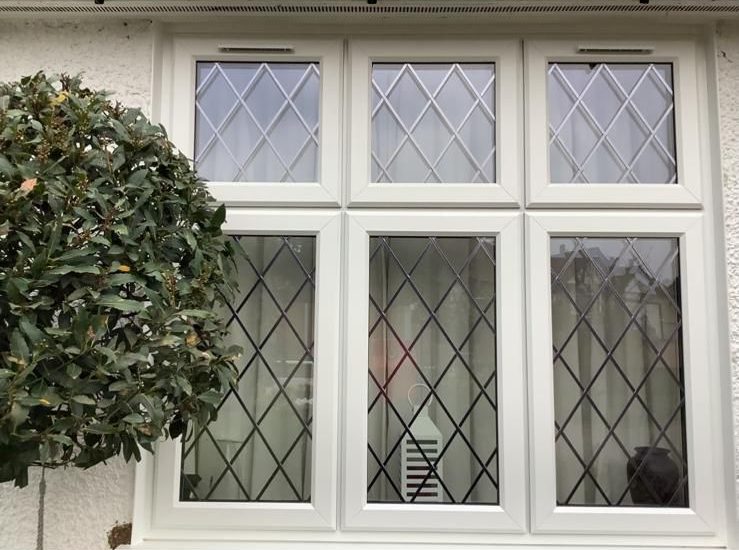
So, Should I Replace All My Windows at Once or in Stages?
If you’re wondering whether to Replace All My Windows at Once or tackle the project in stages, the answer depends on your budget, the condition of your existing windows, and your long-term plans for the property. In our experience at Skyway Windows, replacing all windows at once usually delivers the best overall results, but there are situations where a phased approach makes practical and financial sense.
The Benefits of Replacing All Windows at Once
For most homeowners, replacing all windows in a single project offers several advantages.
Consistent Appearance
One of the biggest benefits is achieving a consistent look across the entire property. Mixing old and new windows can create noticeable differences in frame colour, glazing appearance, and overall style.
Whether you’re installing casement windows, flush windows, or sash windows, completing the project in one phase ensures every window matches perfectly.
From working with homeowners throughout Surrey, we’ve found that consistency is often one of the biggest factors affecting satisfaction once the installation is complete.
Improved Energy Efficiency
Replacing all windows simultaneously provides immediate energy efficiency improvements throughout the property.
A common issue we encounter is homeowners replacing only the worst windows while leaving older units elsewhere in the house. This often limits the overall benefit because heat loss continues through the remaining outdated windows.
In our experience, replacing all windows at once works better than replacing only a few at a time because it creates a complete thermal upgrade across the property rather than leaving weaker points where heat can still escape.
One Installation Process
Completing everything together means:
One survey process
One installation schedule
One period of disruption
One set of certification documents
Many homeowners appreciate avoiding multiple installations spread across several months or years.
When Replacing Windows in Stages Makes Sense
While replacing everything at once is often ideal, there are circumstances where a phased approach is perfectly sensible.
Budget Considerations
The most common reason homeowners choose staged replacements is budget.
Rather than delaying improvements entirely, many choose to prioritise the windows that are performing worst.
Front elevation first
Bedrooms second
Remaining living areas later
This allows improvements to begin immediately while spreading costs over time.
Ongoing Renovation Projects
Some homeowners know additional work is planned in the future.
For example, if an extension is scheduled within the next year, it may not make sense to replace every window immediately. Instead, the project can be coordinated alongside wider renovation works.
We regularly advise homeowners to consider their long-term plans before committing to a full replacement programme.
Which Windows Should Be Prioritised First?
If you decide to replace windows in stages, some areas should usually be prioritised ahead of others.
The first windows we often recommend replacing are those showing signs of failure:
Condensation between panes
Significant draughts
Difficult operation
Visible frame deterioration
Properties with older bay windows may also benefit from prioritising those areas because they often contain larger glazed sections and can be a major source of heat loss.
The Hidden Costs of Delaying Replacement
A common misconception is that delaying replacement always saves money.
In reality, older windows can create ongoing costs through:
Increased heating bills
Higher maintenance requirements
Potential water ingress
Reduced comfort
Across the projects we complete, we’ve found that homeowners often underestimate how much poorly performing windows affect heating efficiency over time.
Will Replacing All Windows Increase Property Value?
While no installation guarantees a specific increase in value, modern windows can improve both appearance and energy efficiency.
Buyers often view recently installed windows as a significant advantage because they know replacement costs have already been addressed.
From our experience, properties where all windows have been upgraded tend to present better during viewings than homes with a mix of old and new installations.
Choosing the Right Window Style Throughout the Property
If you replace everything at once, it provides an opportunity to create a consistent design approach.
At Skyway Windows, we often help homeowners choose styles that balance appearance, performance, and long-term practicality.
Building Regulations and Certification
Regardless of whether windows are replaced all at once or in stages, every installation must comply with building regulations.
At Skyway Windows, we are registered through the FENSA installer checker, ensuring all replacement installations are properly certified.
Official guidance on building regulations approval explains the standards replacement windows must meet. Further inspection information is available through LABC.
Planning Permission Considerations
Most window replacements do not require planning permission if the new windows are similar in appearance to the originals.
However, listed buildings and conservation area properties may have additional requirements. Guidance on planning permission explains when approval may be necessary.
Installation Safety
Window replacement often involves upper-floor access and heavy glazed units. Professional installers follow guidance on working at height to ensure the work is completed safely.
This becomes particularly important during large-scale whole-house replacement projects.
So, Should You Replace All Your Windows at Once?
For many homeowners, the answer is yes.
Replacing all windows together usually delivers:
Better overall efficiency
Consistent appearance
Less disruption
Simpler project management
However, staged replacement can still be a sensible option when budget constraints or future renovation plans make a full replacement impractical.
The best approach depends on the condition of your current windows and your plans for the property.
Getting Professional Advice
If you’re unsure whether to Replace All My Windows at Once, a professional assessment can help identify which approach offers the best value and performance for your home.
If you would like tailored advice on replacing your windows, you can contact us here to speak with our team.
Conclusion
Deciding whether to Replace All My Windows at Once depends on your budget, property condition, and long-term plans. While a full replacement often provides the greatest benefits in terms of efficiency, appearance, and convenience, staged upgrades can still be effective when planned properly. At Skyway Windows, we’ve helped hundreds of homeowners across Surreychoose the right approach for their property, ensuring they achieve the best balance between performance and investment. For expert advice and professional installation, our team at Skyway Windows LTD will be happy to help.
Ready to start your project?
Get a free, no-obligation quote from a FENSA-registered installer with over 30 years of experience across Surrey.