
So, Do New Windows Really Improve Energy Efficiency?
Many homeowners ask whether New Windows Improve Energy Efficiency or if replacing windows is simply an expensive upgrade with limited benefit. With rising energy costs and a growing focus on comfort, it is an important question. The short answer is yes, new windows can significantly improve energy efficiency, but the level of improvement depends on the type of windows installed, how they are fitted, and the condition of the rest of the property.
We explain how new windows affect energy efficiency, what improvements you can realistically expect, and when replacing windows makes the biggest difference.
How Heat Is Lost Through Old Windows
Older windows are a common source of heat loss in many homes. Single glazing, worn seals, and outdated frames allow warm air to escape easily during colder months. Even older double glazing can lose performance over time as seals fail and frames shift.
Heat loss through windows makes rooms harder to keep warm, which often leads to higher heating use. Draughts around frames can also cause cold spots, making living spaces uncomfortable even when the heating is on.
How New Windows Improve Energy Efficiency
New windows are designed to reduce heat transfer and prevent draughts. Modern glazing and frame systems work together to keep warm air inside and cold air out.
Key improvements include:
- Better insulated glass units
- Tighter seals around frames
- Improved frame materials
- Reduced condensation
Together, these features help maintain a more stable indoor temperature throughout the year.
The Role of Double and Triple Glazing
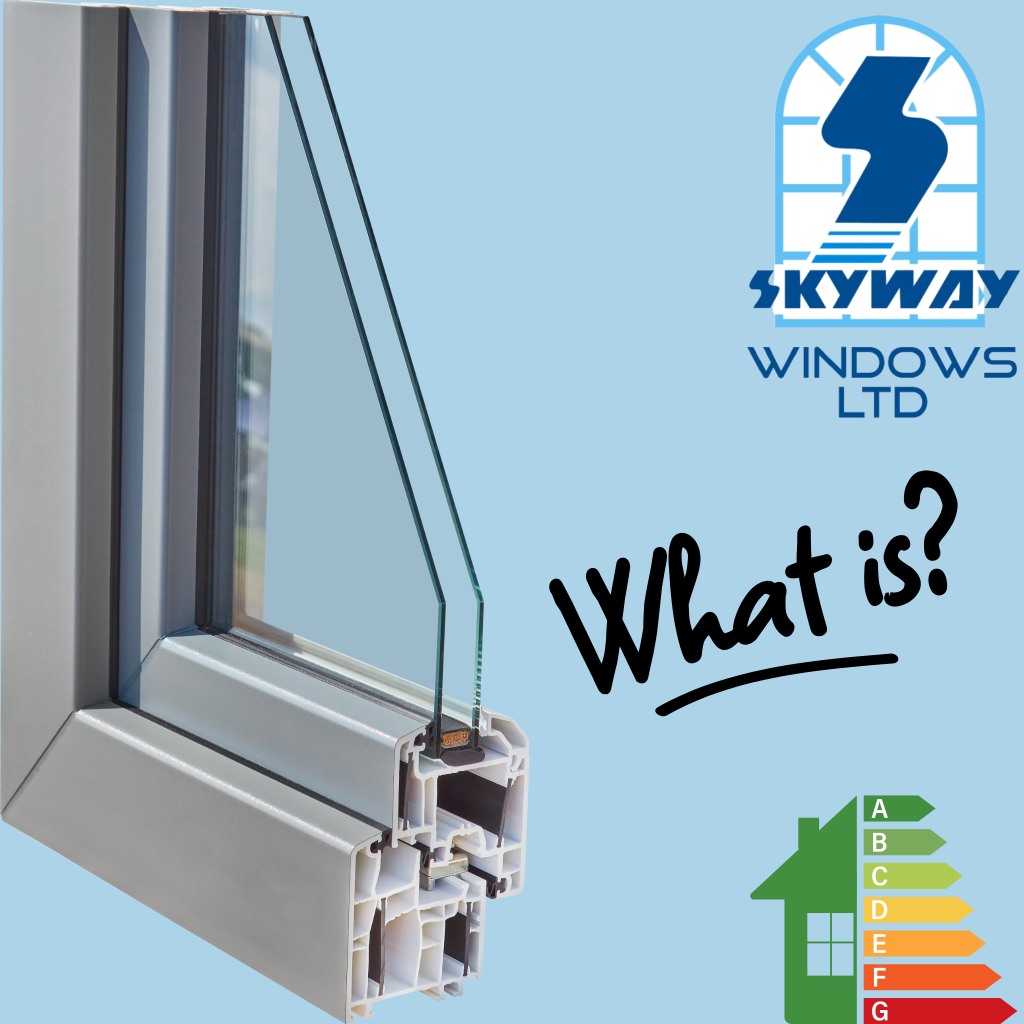
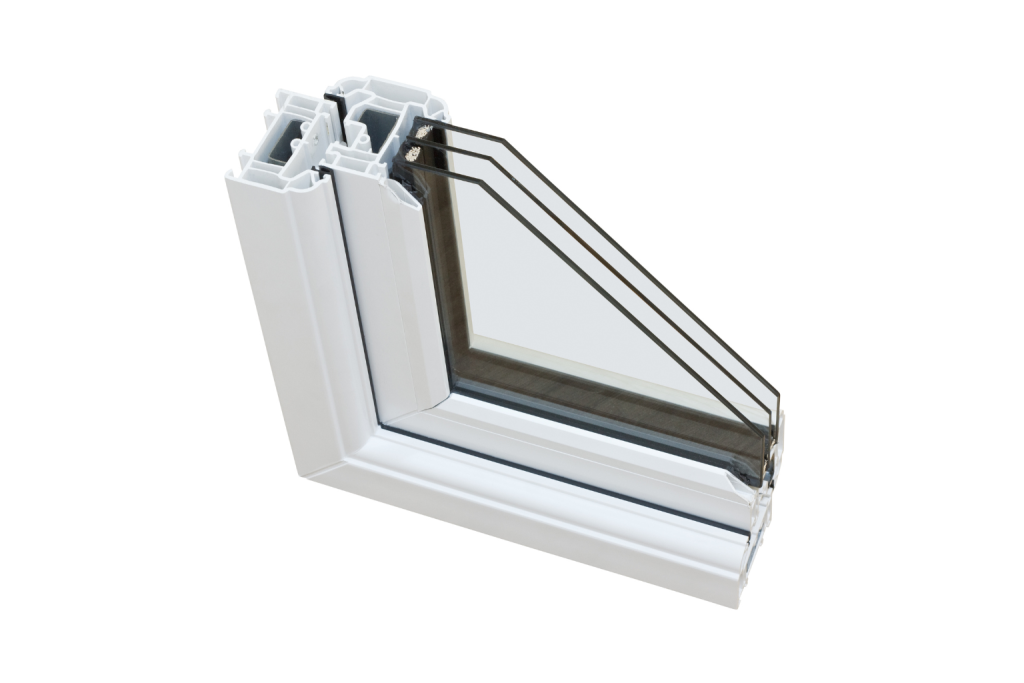
Most new windows are fitted with modern double glazing, which uses two panes of glass separated by a sealed gap. This gap slows down heat movement and improves insulation compared with older glazing.
Some homes choose triple glazing for additional insulation, but for most UK properties, high quality double glazing already delivers strong energy performance when installed correctly.
Why Frame Quality Matters
Energy efficiency is not just about the glass. The window frame plays a major role in overall performance. Poorly insulated frames can allow heat to escape even if the glazing itself is efficient.
Modern window frames are designed to limit heat transfer and provide a strong seal against draughts. Choosing the right frame type helps ensure the full benefit of new glazing is achieved.
Different Window Styles and Energy Performance
Most modern window styles are designed with energy efficiency in mind, but installation quality and design still matter.
Many homeowners choose casement windows because they seal tightly when closed, helping reduce draughts and heat loss. Their design allows the window to press firmly against the frame, which improves insulation.
Homes with a more traditional appearance often use sash windows. Modern sash designs include improved seals and glazing that significantly outperform older versions while maintaining the original look of the property.
For contemporary homes, flush windows offer a clean finish while still delivering strong thermal performance. Larger properties or period homes may feature bay windows, which can also be made energy efficient when fitted with modern glazing and proper insulation.
Energy Efficiency and Doors
Windows are not the only openings that affect heat loss. Doors also play an important role in overall energy performance.
Many homeowners upgrading their windows also look at composite entrance doors because of their insulated cores and tight seals. In homes with open plan layouts, large glazed openings such as aluminium bifold doors or aluminium patio sliding doors can still be energy efficient when fitted with modern glazing and thermally broken frames.
Reduced Condensation and Improved Comfort
New windows often reduce condensation. Older glazing tends to have colder internal glass surfaces, which causes moisture in the air to settle on the glass. Modern glazing keeps the inner pane warmer, reducing condensation and helping protect frames and surrounding walls.
Improved insulation also means fewer cold spots near windows. Rooms feel more comfortable and consistent in temperature, particularly during winter.
Lower Energy Bills Over Time
By reducing heat loss, new windows help lower the amount of energy needed to heat the home. This can lead to noticeable savings on heating bills over time.
The level of savings depends on the condition of the old windows and how energy efficient the rest of the property is. Homes with very old or poorly fitted windows often see the biggest improvement after replacement.
Energy Ratings and Performance Standards
Window energy performance is measured using recognised rating systems. These ratings help homeowners compare products and understand how efficient different options are.
Energy efficiency guidance and ratings are explained by the BFRC, which sets performance standards for windows and doors. These ratings take into account heat loss, solar gain, and air leakage.
Installation Quality Is Just as Important
Even the most energy efficient window will not perform well if it is poorly installed. Gaps, misalignment, and inadequate sealing can all reduce insulation and allow draughts.
Replacement windows must meet building regulations, and many homeowners check installer compliance using the FENSA installer checker. This confirms that installations meet required standards without needing separate building control approval.
Wider building regulation guidance is also available through LABC.
Do New Windows Improve Energy Efficiency on Their Own?
New windows make a significant difference, but they work best as part of a wider approach. Insulation in walls, lofts, and floors also affects how much heat a home retains.
That said, replacing old or damaged windows is often one of the most noticeable upgrades homeowners can make, both in comfort and appearance.
Are New Windows Worth the Investment?
For many homeowners, new windows are worth the investment because they improve comfort, reduce draughts, lower energy use, and modernise the appearance of the property. They can also make a home more attractive to buyers, who increasingly value energy efficiency.
The benefits are long term and are often felt every day through improved warmth and reduced heating demand.
When Is the Best Time to Replace Windows?
Windows should be replaced when they show signs of failure, such as persistent draughts, condensation between panes, difficulty opening or closing, or visible damage to frames.
Replacing windows before problems worsen helps prevent further heat loss and avoids higher heating costs over time.
Taking the Next Step
If you are considering replacing your windows and want to understand how much difference it could make to your home, professional advice can help. A proper assessment looks at your existing windows, property type, and energy goals.
If you would like guidance or want to discuss your options, you can contact us here to speak with a knowledgeable team.
Conclusion
So, do New Windows Improve Energy Efficiency? In most cases, yes. Modern windows reduce heat loss, prevent draughts, improve comfort, and help lower energy use. When combined with quality installation and suitable frame choices, new windows can make a clear and lasting difference. For expert advice and compliant installations, our team at Skyway Windows LTD will be happy to help.