
So, What are the best windows for energy efficiency?
Choosing the best windows for energy efficiency is one of the most effective ways to improve comfort, reduce heat loss, and lower energy use in a home. Windows play a major role in how well a property retains heat, especially in older buildings where glazing and frames may no longer perform as they should. Modern window systems are designed to address these issues, but not all windows offer the same level of performance.
We explain what makes a window energy efficient, which window types perform best, and how to choose the right option for your home.
What Makes a Window Energy Efficient
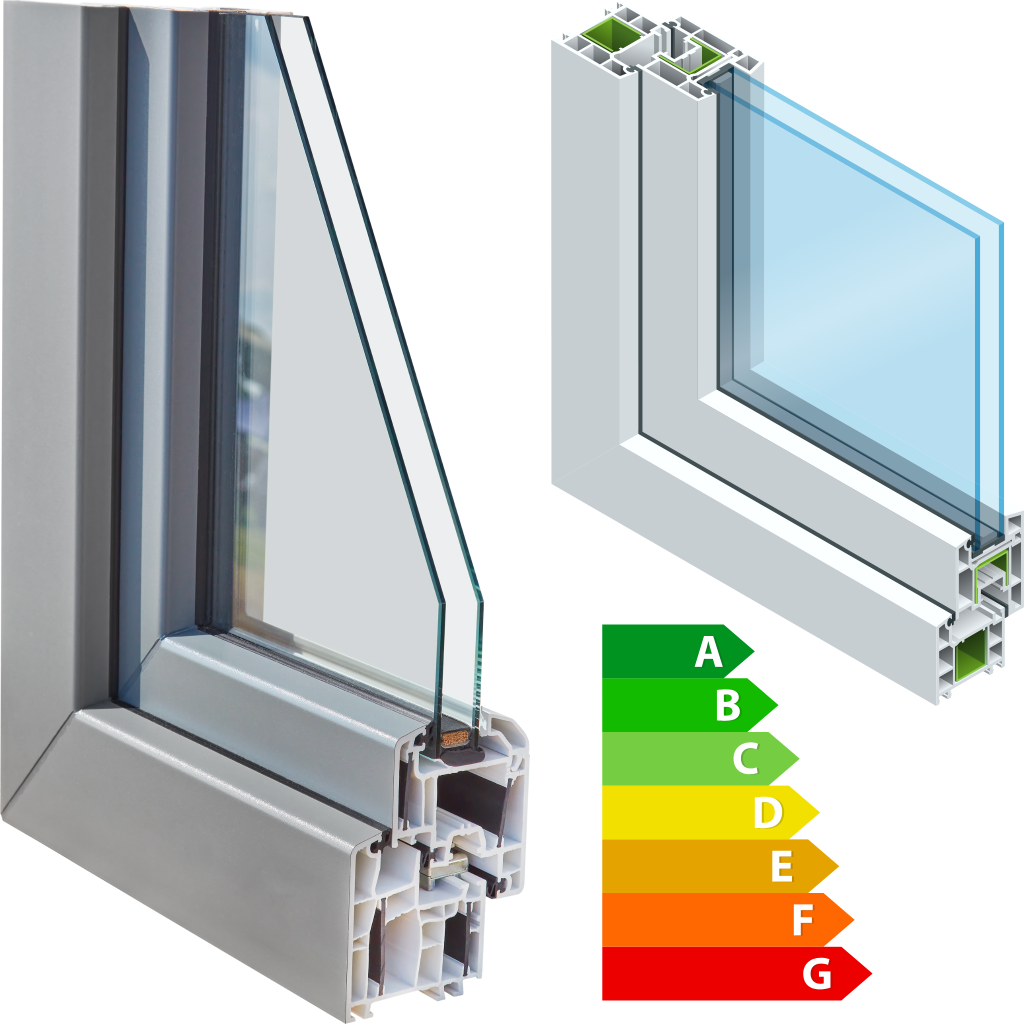
Energy efficient windows are designed to reduce heat transfer between the inside and outside of a property. This is achieved through a combination of glazing, frame design, and installation quality.
Key factors include insulated glass units, effective seals, low emissivity coatings, and frames that limit heat loss. When these elements work together, the window helps maintain a stable indoor temperature and reduces the need for heating.
Why Old Windows Cause Heat Loss
Older windows often allow heat to escape easily. Single glazing provides very little insulation, while older double glazing can lose effectiveness as seals deteriorate. Gaps around frames and worn components also allow draughts to enter the home.
Heat loss through windows makes rooms feel colder and increases heating demand. Replacing outdated windows is often one of the quickest ways to improve overall energy performance.
Double Glazing and Energy Performance
Modern double glazing is the standard choice for most homes. It uses two panes of glass separated by a sealed gap that slows heat transfer. This design significantly improves insulation compared with older glazing systems.
When combined with modern coatings and properly sealed frames, double glazing offers strong energy performance that suits most UK properties.
The Importance of Frame Design
The frame is just as important as the glass. Even high quality glazing will underperform if the frame allows heat to escape.
Modern frames are designed to provide strong insulation and tight seals. The choice of frame material and construction helps determine how well the window performs over time.
Best Window Styles for Energy Efficiency
Several window styles are known for their strong energy performance when correctly specified and installed.
Many homeowners choose casement windows because they seal tightly against the frame when closed. This design reduces draughts and heat loss, making them one of the most energy efficient window styles available.
Homes that need to maintain a traditional appearance often opt for sash windows. Modern sash designs include improved seals and glazing that greatly outperform older versions while preserving the character of the property.
For contemporary homes, flush windows offer a clean appearance while still delivering good thermal performance. Larger properties may feature bay windows, which can also be energy efficient when modern glazing and insulation methods are used.
Frame Materials and Energy Efficiency
Different frame materials offer different levels of insulation.
uPVC frames are widely used because they provide good insulation and require little maintenance. Aluminium frames are strong and slim, and when fitted with thermal breaks they perform well in modern designs. Timber frames naturally insulate well and are often chosen for period homes, especially when paired with modern glazing.
The best option depends on the style of the property and the balance between appearance and performance.
Energy Efficient Doors and Large Openings
Windows are not the only areas where heat can be lost. Doors and large glazed openings also affect overall energy efficiency.
Many homeowners choose composite entrance doors because of their insulated cores and tight seals. In homes with open plan layouts, systems such as aluminium bifold doors or aluminium patio sliding doors can still perform well when fitted with modern glazing and thermally efficient frames.
Reduced Condensation and Improved Comfort
Energy efficient windows help reduce condensation by keeping the inner glass surface warmer. This lowers the risk of moisture build up, which helps protect frames and surrounding walls.
Improved insulation also means fewer cold spots near windows. Rooms feel more comfortable and consistent in temperature, especially during colder months.
Understanding Energy Ratings
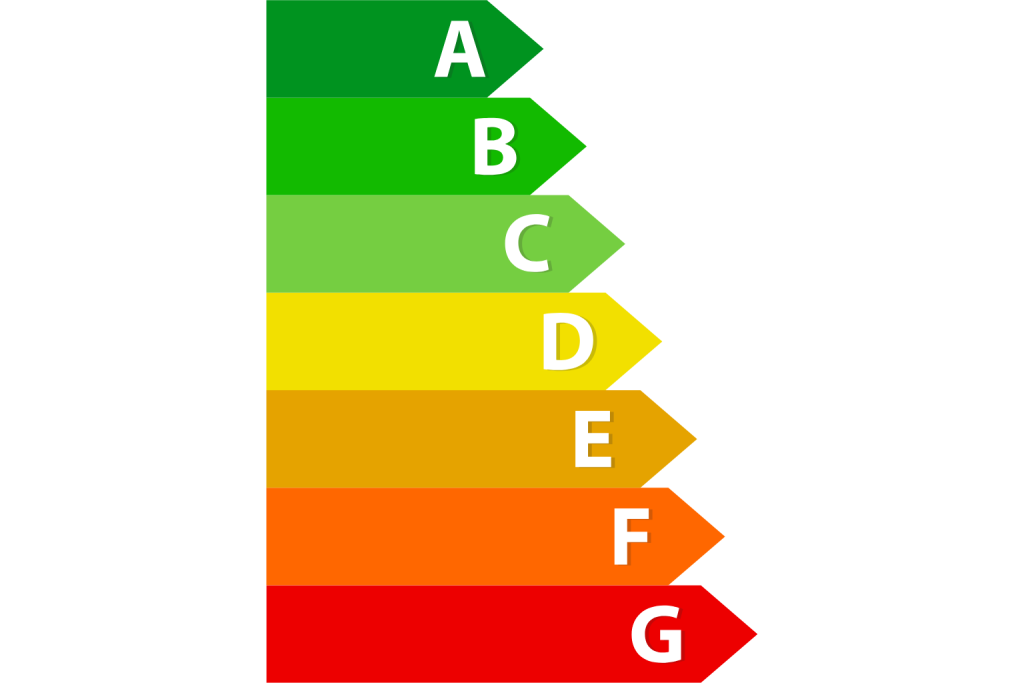
Window energy performance is measured using recognised rating systems. These ratings help homeowners compare products and understand how efficient different options are.
Energy efficiency standards and ratings are explained by the BFRC, which assesses factors such as heat loss, solar gain, and air leakage.
Installation Quality Matters
Even the most energy efficient window will not perform properly if it is poorly installed. Gaps, misalignment, or inadequate sealing can all reduce insulation and allow draughts.
Replacement windows must meet building regulations, and many homeowners confirm installer compliance using the FENSA installer checker. This ensures installations meet required standards without involving separate building control.
Guidance on compliance and inspections is also available through LABC.
Are Energy Efficient Windows Worth It
For most homeowners, energy efficient windows are a worthwhile investment. They improve comfort, reduce draughts, and help lower energy use over time. Homes with older or failing windows often see the greatest benefit after replacement.
Energy efficient windows can also make a property more appealing to buyers, as energy performance is increasingly important.
Choosing the Best Windows for Your Home
The best windows for energy efficiency depend on the property, window style, and how the home is used. A professional assessment helps identify the most suitable option based on insulation needs, design preferences, and budget.
If you are considering upgrading your windows and want clear advice, you can contact us here to discuss your options in more detail.
Conclusion
The best windows for energy efficiency combine modern glazing, well designed frames, and quality installation. Styles such as casement, sash, flush, and bay windows can all perform well when correctly specified. Energy efficient doors and large glazed systems also play a role in overall performance. With the right choices, new windows can make a noticeable difference to comfort and energy use. For expert guidance and compliant installations, our team at Skyway Windows LTD will be happy to help.