
So, Are Timber Windows Better Than uPVC?
When replacing or upgrading your windows, one of the biggest decisions is choosing between timber and uPVC. Both materials have strong advantages, but the right choice depends on your home’s style, budget, and long-term priorities. Many homeowners ask, are timber windows better than uPVC? This blog explains the key differences between them, helping you decide which option best suits your home.
Understanding Timber Windows
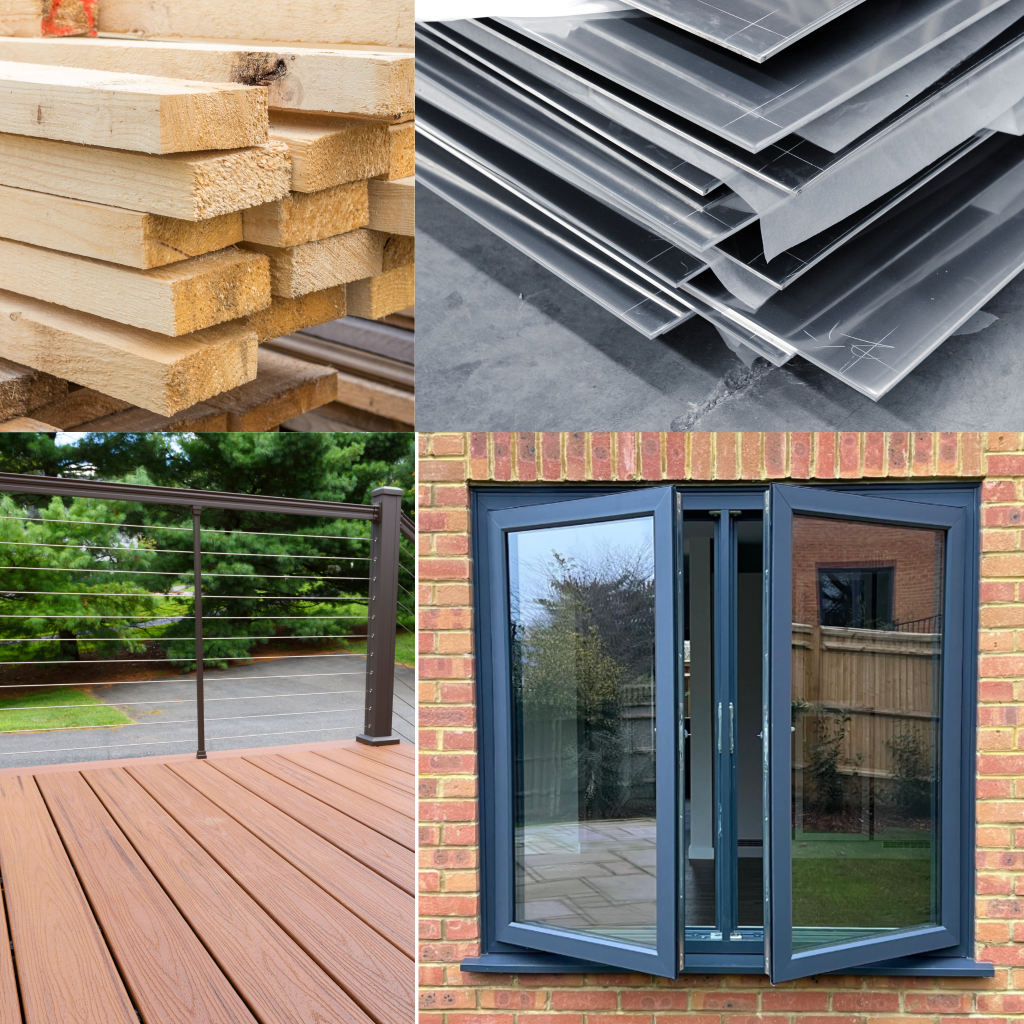
Timber windows have been used in British homes for centuries. They are made from natural wood, typically hardwoods like oak or softwoods like pine, and remain popular for their traditional look and insulating properties.
Modern timber windows are far more advanced than older models. They are treated to resist rot, moisture, and insect damage, and with proper maintenance, they can last for many decades. Homeowners often choose timber for its charm and authenticity, particularly in period or listed properties where appearance is crucial.
Timber also provides excellent insulation, both for temperature and sound. Wood naturally retains heat better than metal and, when combined with double or triple glazing, helps maintain a comfortable indoor climate.
At Skyway Windows, our timber windows are crafted for long-lasting performance while retaining a classic aesthetic.
Understanding uPVC Windows
uPVC (unplasticised polyvinyl chloride) windows are the most common choice for UK homeowners today. They became popular in the 1980s as a cost-effective, low-maintenance alternative to timber.
uPVC is a rigid, durable plastic that resists moisture and does not rot or warp. Modern uPVC windows are available in many finishes, including woodgrain effects that mimic the look of natural timber. They offer excellent thermal efficiency, reliable weatherproofing, and strong security features.
Unlike wood, uPVC does not need regular painting or staining. A simple clean with warm, soapy water keeps them looking their best. For busy homeowners who want long-term durability without ongoing upkeep, uPVC windows are a practical solution.
Appearance and Style
When comparing timber windows and uPVC, appearance is often the first difference people notice.
Timber offers a timeless, natural look that suits both traditional cottages and character homes. The texture and grain of real wood create warmth and charm that synthetic materials cannot fully replicate. Timber windows can also be painted or stained in any colour, allowing for greater design flexibility.
uPVC windows, meanwhile, have a cleaner, more uniform finish. They work particularly well in modern or minimalist homes. Homeowners can still choose from a wide range of colours and styles, including wood-effect finishes, but they may lack the authenticity of true timber.
If maintaining your property’s period look is important, timber is usually the better option. For contemporary properties or those prioritising easy maintenance, uPVC often makes more sense.
Energy Efficiency
Energy efficiency is a key factor when choosing new windows. Both timber and uPVC perform well, but in slightly different ways.
Wood is a natural insulator, reducing heat loss through the frame. Well-constructed timber windows with quality glazing can achieve very low U-values, meaning they retain heat effectively.
uPVC windows, on the other hand, use a multi-chambered frame design that traps air inside, improving insulation. Modern double-glazed or triple-glazed uPVC windows are highly energy efficient, helping to reduce heating costs and improve your home’s EPC rating.
The difference in performance between high-quality timber and uPVC windows is minimal, so the best choice often comes down to other factors like budget and appearance.
Durability and Maintenance
One of the main differences between timber and uPVC is the level of maintenance required.
Timber windows can last over 60 years if properly maintained, but they do need care. Every few years, the frames should be repainted or re-stained to protect the wood from moisture and sunlight. Neglecting this can lead to rot or warping.
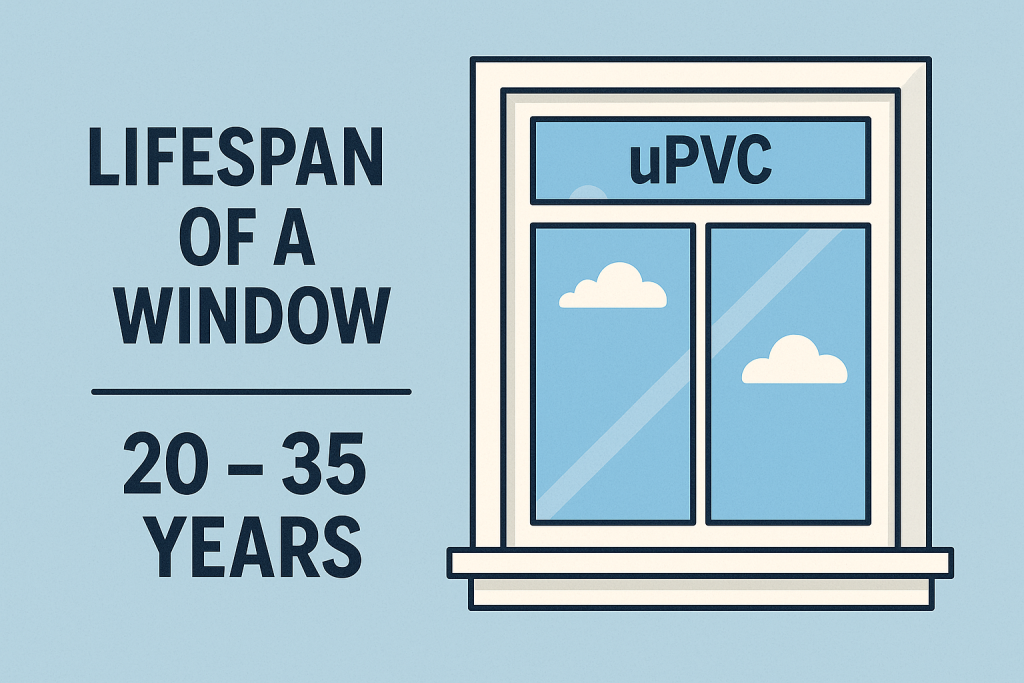
uPVC windows require very little maintenance. They do not rot, peel, or rust, and they stay weatherproof for decades with minimal effort. The average lifespan of a good-quality uPVC window is between 25 and 35 years.
So while timber may last longer in ideal conditions, uPVC wins for convenience and ease of upkeep.
Environmental Impact
Timber and uPVC both have environmental advantages and disadvantages.
Timber is a natural, renewable material. When sourced from sustainable forests, it has a much lower carbon footprint than synthetic alternatives. It is also fully biodegradable, meaning it will not contribute to long-term waste at the end of its life.
uPVC, however, is made from plastic derived from fossil fuels. Its production is more energy intensive, but it can now be recycled. Many modern uPVC frames are made with recycled materials, helping reduce environmental impact.
If sustainability is a major priority, responsibly sourced timber may be the more eco-friendly option. However, if you value longevity with minimal maintenance, energy-efficient uPVC windows still represent a responsible long-term investment.
Cost and Value
Price is often the deciding factor for homeowners choosing between timber and uPVC.
Timber windows are generally more expensive to buy and install. A typical timber casement window might cost between £800 and £1,200, while an equivalent uPVC version could range from £400 to £700.
However, timber windows can add more value to period or character homes by preserving their authenticity. For many homeowners, the aesthetic and long-term durability justify the higher cost.
uPVC windows remain the best value option for those wanting quality, affordable performance with minimal upkeep.
Security
Both timber and uPVC windows can be very secure when properly installed. Modern designs come with multi-point locking systems and reinforced glazing.
Timber is naturally strong and can be fitted with advanced locks and hinges. uPVC windows, meanwhile, have internal reinforcement for extra rigidity. For the highest level of safety, choose windows fitted by a FENSA approved installer, ensuring compliance with UK security and energy standards.
Which is Better for Your Home?
Ultimately, the choice between timber and uPVC depends on your home’s style, your budget, and how much maintenance you are willing to do.
Choose timber if:
- You live in a period, listed, or character property.
- You want a natural, traditional look.
- You are happy to maintain the frames occasionally.
Choose uPVC if:
- You prefer low-maintenance windows.
- You want a cost-effective and energy-efficient solution.
- You own a modern or contemporary home.
Both materials perform well and can significantly improve comfort, insulation, and aesthetics.
Alternatives and Design Flexibility
If you are looking for alternatives, aluminium and composite windows are becoming more popular. Aluminium frames are sleek, slim, and ideal for modern homes, while composite designs combine timber and aluminium for the best of both worlds.
You can also explore different styles such as casement windows, sash windows, or flush windows depending on your home’s design.
Conclusion
So, are timber windows better than uPVC? The answer depends on your priorities. Timber offers natural beauty, excellent insulation, and a timeless finish perfect for traditional homes. uPVC delivers affordability, energy efficiency, and low maintenance, making it ideal for modern properties.
Both options can enhance your home’s comfort and value when installed by experienced professionals. For expert advice and high-quality installations across Surrey, contact Skyway Windows. As trusted local specialists, Skyway Windows supply and fit both timber and uPVC windows with precision, ensuring lasting quality and performance.